
Structure of this Wiki – Future Work
Future Work
4. Pre-operative risk assessment
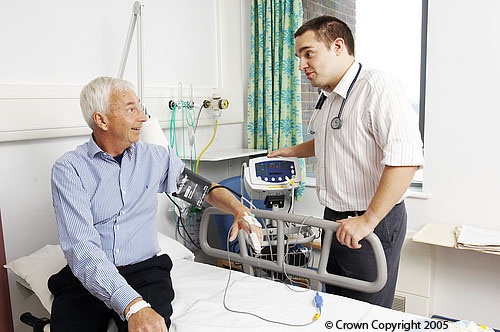
- Preoperative risk assessment scales target populations with substantial known cardiovascular risk factors.
- These scales aim to assess if a patient is suitable for a cardiac operation (e.g. coronary artery bypass graft or valve replacement surgery).
- Benefit scales in this category are used to predict the probability that a patient will experience an identified adverse outcome if the operation is not administered.
- Cost scales in this category are used to predict the probability that a patient will experience an identified adverse outcome (e.g. death) as a result of the operation.
5. Secondary prevention
- Secondary prevention scales target populations after a cardiac event (e.g. atrial fibrillation, heart failure or acute coronary syndrome).
- These scales aim to determine if an intervention should be administered to reduce the probability of an individual experiencing death or a recurrent event.
- Benefit scales in this category are used to predict the probability that an individual, within the target population, will experience another episode of the cardiac event or death in a set time-frame (e.g. the next 10 years).
- Cost scales in this category are used to predict the probability of a particular intervention used in the field of secondary prevention having a stated negative impact on the individual.